When the Sky Spoke Arabic: Science, Culture and the Lost Story of a Golden Age
11 January '27 - 15 February '27
Online | Mondays | 6-8pm | 11, 18, 25 January 2027 | 1, 8, 15 February 2027
This course invites you on a journey with award-winning science communicator Mohamed Daoud through one of the most vibrant and overlooked periods in human history: the scientific and cultural flourishing of the Arab and wider Islamic world. At a time often described in Europe as the “Dark Ages,” cities like Baghdad, Cairo, Samarkand, and Cordoba were alive with curiosity, experimentation, art, and intellectual exchange.
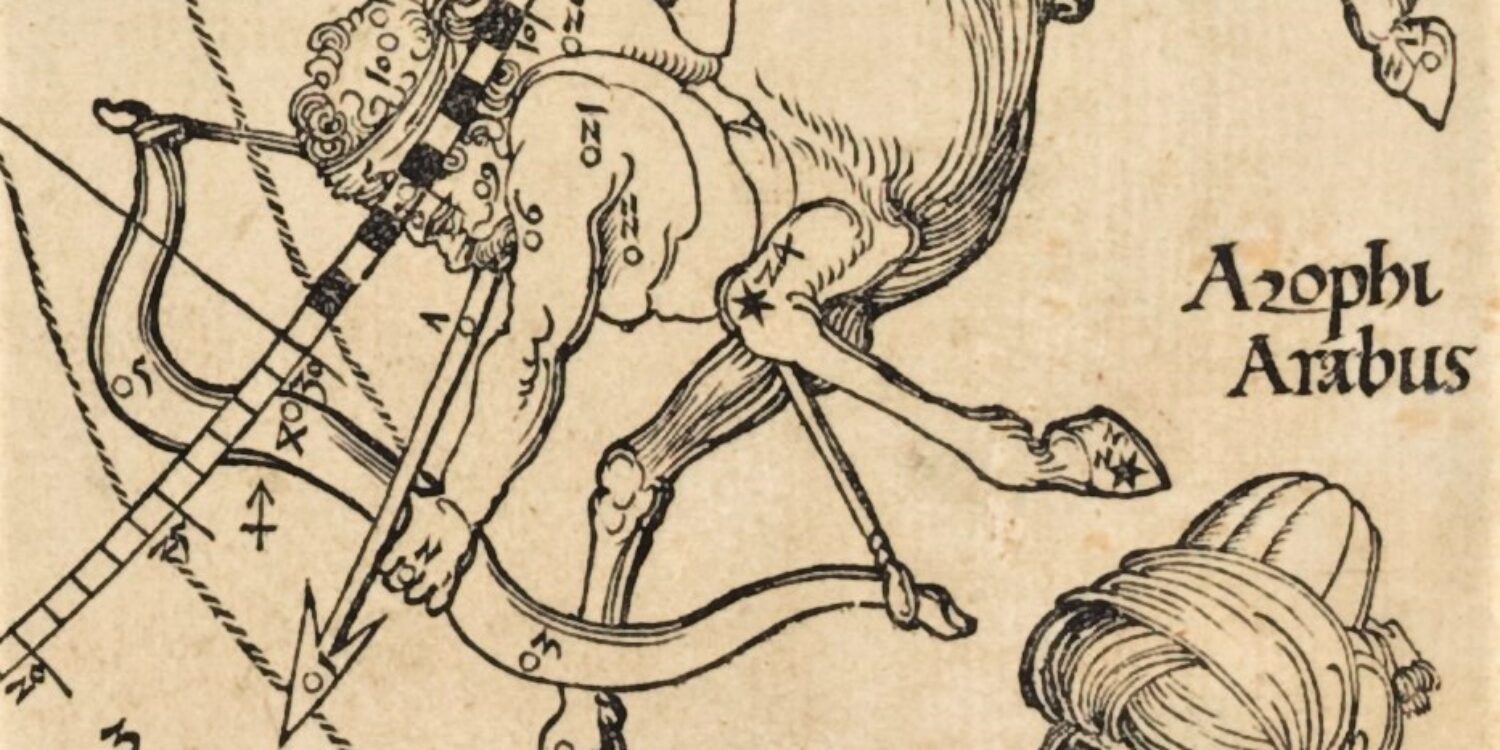
Across six immersive sessions, we will explore how scholars, travellers, poets, engineers, philosophers, and physicians transformed the way we understand the universe, from mapping the stars and inventing algebra to building hospitals, automata, and cities powered by water and ideas. But this is not just a history course. It is a story about people, environments, and the movement of knowledge across cultures.
Each session combines storytelling, visuals, and hands-on activities. Participants will build simple scientific tools such as a star chart or camera obscura, explore manuscripts and historical artefacts, and connect past discoveries to modern science and technology. Along the way, we will ask deeper questions: Who gets remembered in the history of science? What does it mean to “invent”? And how can reclaiming these stories reshape how we think about knowledge today?
The course concludes by reflecting on the legacy of this era, why it faded, how its ideas travelled into the Renaissance, and what it means for us to carry this shared human heritage forward.
Who is this course for?
This course is designed for adult learners with an interest in history, culture, and science. It is particularly suited to those curious about the global history of knowledge, cross-cultural exchange, and the often-overlooked contributions of the Arab and Islamic world. The course is accessible to a general audience, and no prior knowledge or specific background is required.
Enroll now for the course and find out more
 6 weeks of live online sessions
 Monday 11 January – 15 February
 6-8pm GMT
 Texts and discussion in English
 £180 / £150 concession