
DIA AL-AZZAWI: EXCURSION ACROSS TIME
10 March '26 at 6:00 pm - 9 May '26
OPENING RECEPTION: TUESDAY 10TH MARCH, 6–8PM
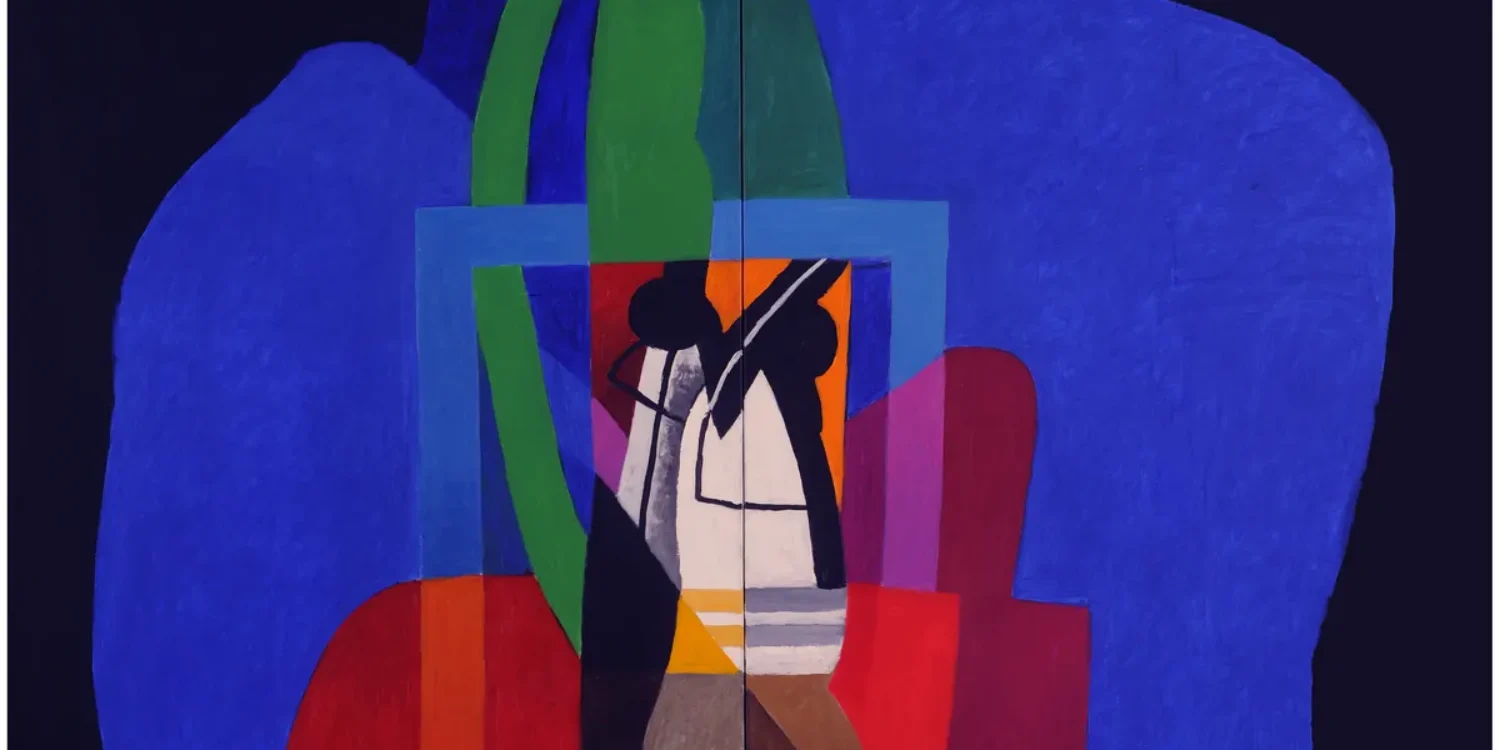
Richard Saltoun Gallery presents Excursion Across Time, a historical overview of the career of British-Iraqi artist Dia AL-AZZAWI (b. Baghdad, 1939), curated by Louisa Macmillan. This exhibition marks half a century since Azzawi moved to London, although it is only his second solo show in the city he calls home (the first was in 1978). The presentation is centred around recurring themes that shaped his early practice and continue to inspire his work. Large, colourful, emblematic paintings are displayed alongside works on paper that have never been exhibited before, in addition to selected material from the Azzawi studio archive, telling the story of how a former archaeologist and museum curator inspired by artefacts from Ancient Mesopotamia, as well as ethnographic motifs from daily life, helped to shape Iraqi modernism in the 1960s.
Azzawi later expanded his quest for identity to explore cultural themes that would resonate with fellow Arabs at a time when pan-Arabist politics had failed. From early in his career, his drawings and paintings often included Arabic text, sometimes taken from medieval stories, including the One Thousand and One Nights and the tragic love story of Waddah al-Yaman, daily healing prayers, commonplace phrases and isolated Arabic letters. His focus on shared Arab culture intensified after Azzawi moved to London in 1976, and researching Islamic manuscripts in European libraries inspired him to embed lines of Arabic text into his artworks, which functioned as both decorative and nostalgic elements. This developed into a large body of dafātir (artist’s books) based on the experience of listening to modern poetry from across the Arab world, including works by the Sudanese-Egyptian poet Muhammad al-Fayturi and the Lebanese author Talal Haidar (such as the latter’s poem Excursion Across Time, and Azzawi’s daftar of the same name).
It has long been characteristic of Azzawi’s practice that he seamlessly blends motifs from across millennia in a single work. Most obvious are the dark eyes and prominent eyebrows of Sumerian sculptures adorning the faces of legendary lovers, such as Layla and Majnun and other nude figures (displayed here for the first time), but Azzawi also uses traditional and modern textiles from across the region, either collaged onto a canvas based on poetry or their patterns inked alongside architectural shapes, while the shadow of an ancient ziggurat looms over a present-day archaeological dig. In sculpture, Azzawi inscribes modern poetry onto a giant technicolour obelisk while a gilded desert rose sits on top of an outsized cylinder seal depicting the dying lioness from the lion hunt reliefs of Ashurbanipal. By switching between themes ranging from the ancient to the Islamic and modern ages of the region, Azzawi encapsulates the everyday experience of millions of Arabs and their neighbours living among the remains of several ancient civilisations.
This exhibition foregrounds Azzawi’s multi-faceted practice, bringing together historically significant works and pieces never publicly exhibited before. Marking his first presentation in London in nearly fifty years, it offers a rare and timely opportunity to gain insight into Azzawi’s personal journey through the decades, and also peer across the deep history of the Arab world and beyond.